UK fees guide · checked September 2026

Rover fees, explained.

The short answer: in the UK, Rover keeps 15% of every one-off booking from your side (5% on recurring weekly bookings) — and your fee has no cap, whatever the booking size.

Note: recurring bookings are not the same as repeat bookings. If someone books a stay or walk for 4 Mondays, that’s recurring. But if they book a doggy holiday with you, then book another one a month later, that’s not recurring — the full fees apply again.

In addition, dog owners pay a separate 15% service fee on top of your rate — and theirs is capped, at £49 per booking.¹

On a two-week £560 stay at £40 per night, that’s £84 commission from the dog sitter plus £49 from the owner — £133 to the platform.

Rover is genuinely good at finding you new clients — but be aware of the fees. This page is simply the honest maths of what that costs once they’re regulars.
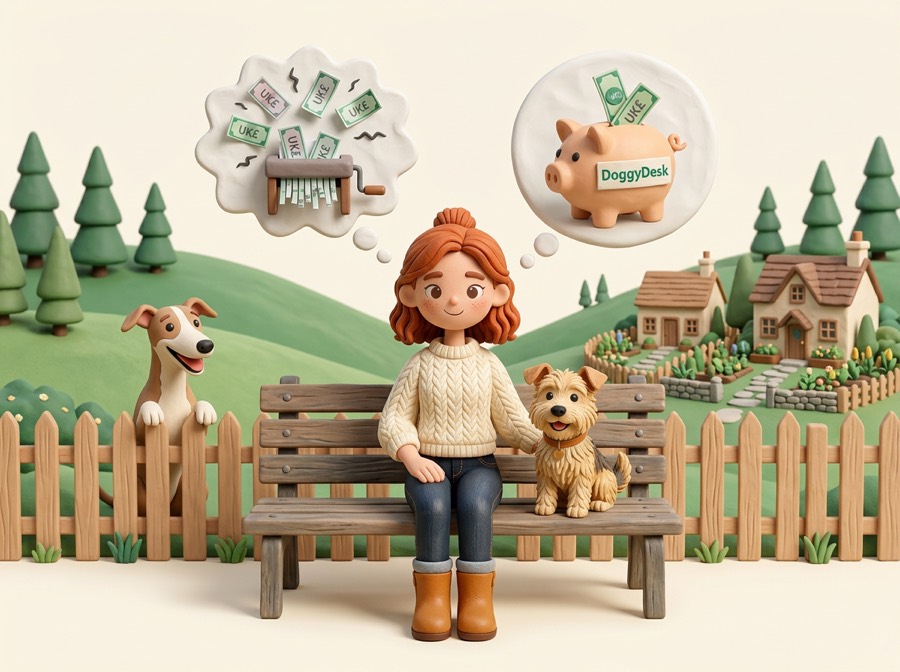
Claymation dog sitter on a park bench with a terrier, imagining her money going through a shredder on a marketplace versus into a DoggyDesk piggy bank

How much does Rover take? Both sides.

Your side (the sitter or walker)

You keep 85% of a one-off booking

Rover deducts 15% before paying you out. Recurring weekly bookings are less painful on the pocket (Rover keeps 5% of those) — but how many real recurring bookings do you actually get? Very few people book “recurring” overnight stays; dog walks are more likely to have regular weekly slots. Rates can vary with account age and country, so check your own dashboard.¹

Their side (the dog owner)

Owners pay 15% on top of your rate

A separate service fee added at checkout, capped at £49 per booking — the cap only kicks in once a booking tops about £327 (roughly ten nights at £30/night).¹ Your £100 stay costs the owner £115 — which shapes what they think you charge, and what they’re willing to pay next time. Note the cap is the owner’s; your own 15% has no cap at any booking size.

Worked example: a two-night stay at £50/night. The owner pays £115. You receive £85. Of the £115 that changed hands, £30 went to the platform — on a booking from a client who may well have found you through a friend anyway.

Rover fee calculator.

£
Rover keeps from you (15% of £500)−£75/mo
Your owners pay Rover on top (15%, capped £49/booking)+£75/mo
Total platform take across both sides£150/mo
The same £500 of bookings on The DoggyDesk: £0 on cash or bank, at most £15/mo if every booking is card-paid (5%, capped by Plus at £15/mo) — and your owners pay nothing.

What about the other apps?

Switching marketplace mostly moves the commission around rather than removing it. Pawshake charges a flat 19% service fee — sitters receive 81% of their advertised price.² Other UK pet-care apps run their own commission models that change from time to time; their help pages have the current numbers. The pattern is the same everywhere: the platform sits between you and clients you often already know, and takes its share of every booking — you can break the cycle by using your own booking calendar on The DoggyDesk.

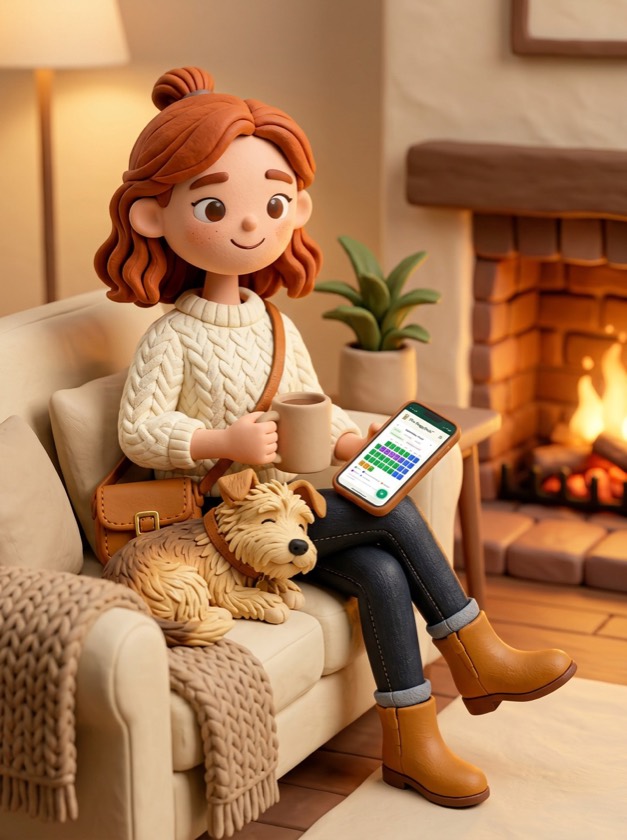
Claymation dog sitter relaxing on a sofa by the fire with a scruffy terrier asleep on her lap, her DoggyDesk booking calendar open on the phone beside her

How to keep more of what you charge.

The fees above buy one thing that’s genuinely valuable: being found by strangers. But once a client is a regular, the marketplace is charging you both for an introduction that already happened. The alternative is to manage your existing clients with your own professional booking system — calendar, requests, client records, invoices and payment options — free, with every feature included.

Quick answers.

Sources — figures checked 2 September 2026: ¹ Rover UK Help Centre, “What are the service fees?” (sitter take-home 85% one-off / 95% recurring; owner service fee 15%, capped £49). ² Pawshake Help Centre, “What is the Pawshake Service Fee?” (19% fee; sitters receive 81% of advertised price). Platform fees change — if you spot a stale number here, tell us via the contact page and we’ll fix it.